At its core, aging is anatural enzymatic breakdown processthat occurs in muscle tissue after an animal is slaughtered, under controlled environmental conditions.
After death, muscles enter a rigid state known asrigor mortis. At this point, naturally occurring enzymes within the cells—such as proteases—begin to break down large protein molecules and connective tissues in the muscle fibers. This process converts proteins intoflavorful small moleculeslike amino acids and peptides, glycogen into glucose, and ATP into inosinic acid (IMP), which contributes to the savory umami taste.
In simple terms,aging is a process of "self-digestion" and tenderizationthat simultaneously enhances the meat'stenderness,flavor, andjuiciness.
Depending on the aging environment, the process is broadly categorized into two main methods: dry aging and wet aging.
Dry aging is the traditional method. Large cuts of meat (such as whole beef primals) are hung or placed on racks in a specialized aging room withtemperatures around 0–4°C, humidity between 50–80%, and consistent airflow.
Over an extended period (typically 14 days or more, sometimes up to 100+ days), moisture evaporates from the surface, forming a hard, crusty shell while locking moistureinsidethe meat. This concentration intensifies the beefy flavor. Meanwhile, surface microbial and enzymatic activity gives rise to distinctive nutty, buttery, or even ham-like umami notes.
However, dry aging is both time-consuming and costly. After the process, the dried outer crust and oxidized surface layers must be trimmed away, leaving onlyabout 60–70%of the original weight as edible product—which explains its premium price tag.
Wet aging is the more common and cost-effective method in modern meat processing. The meat isvacuum-sealedin plastic packaging and stored in a refrigerated environment at 0–4°C.
The vacuum seal prevents moisture loss and protects against external bacterial contamination. The meat ages in its own natural juices,retaining nearly all its original weightand preserving exceptional tenderness and succulence. Most vacuum-packed steaks found in supermarkets today are wet-aged.
That said, because the meat is isolated from air, wet aging lacks the microbial interaction that creates the deep, complex flavors characteristic of dry-aged products.
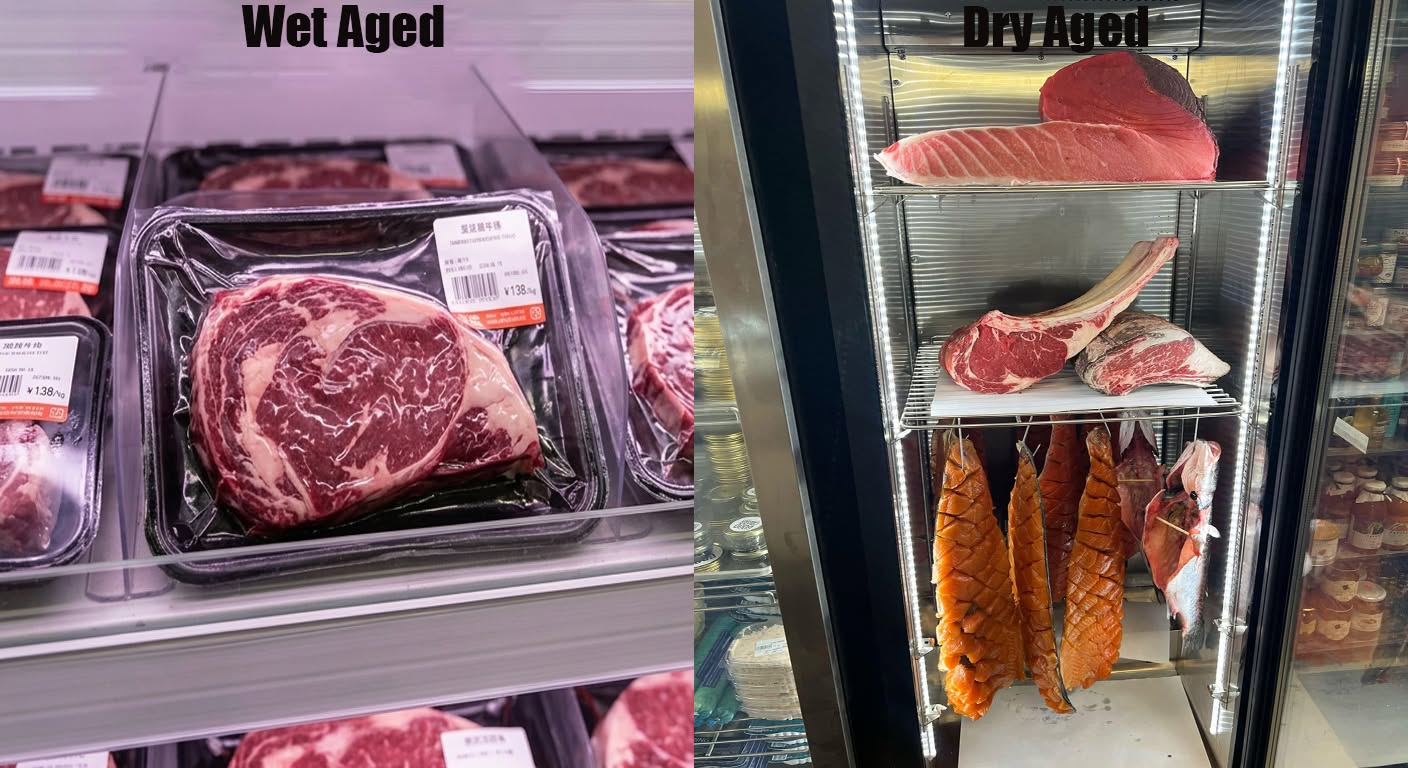
Although beef is the most famous candidate for aging, this technique is by no means exclusive to cattle.Lamb and porkalso benefit significantly from aging, whilefish—such as tuna and sea bream—are routinely aged in Japanese cuisine to enhance their umami depth. Evenpoultrylike duck can develop interesting flavor profiles with short-term aging. Moreover, the concept of aging is widely applied to other ingredients, including coffee beans, cacao, and cheese.
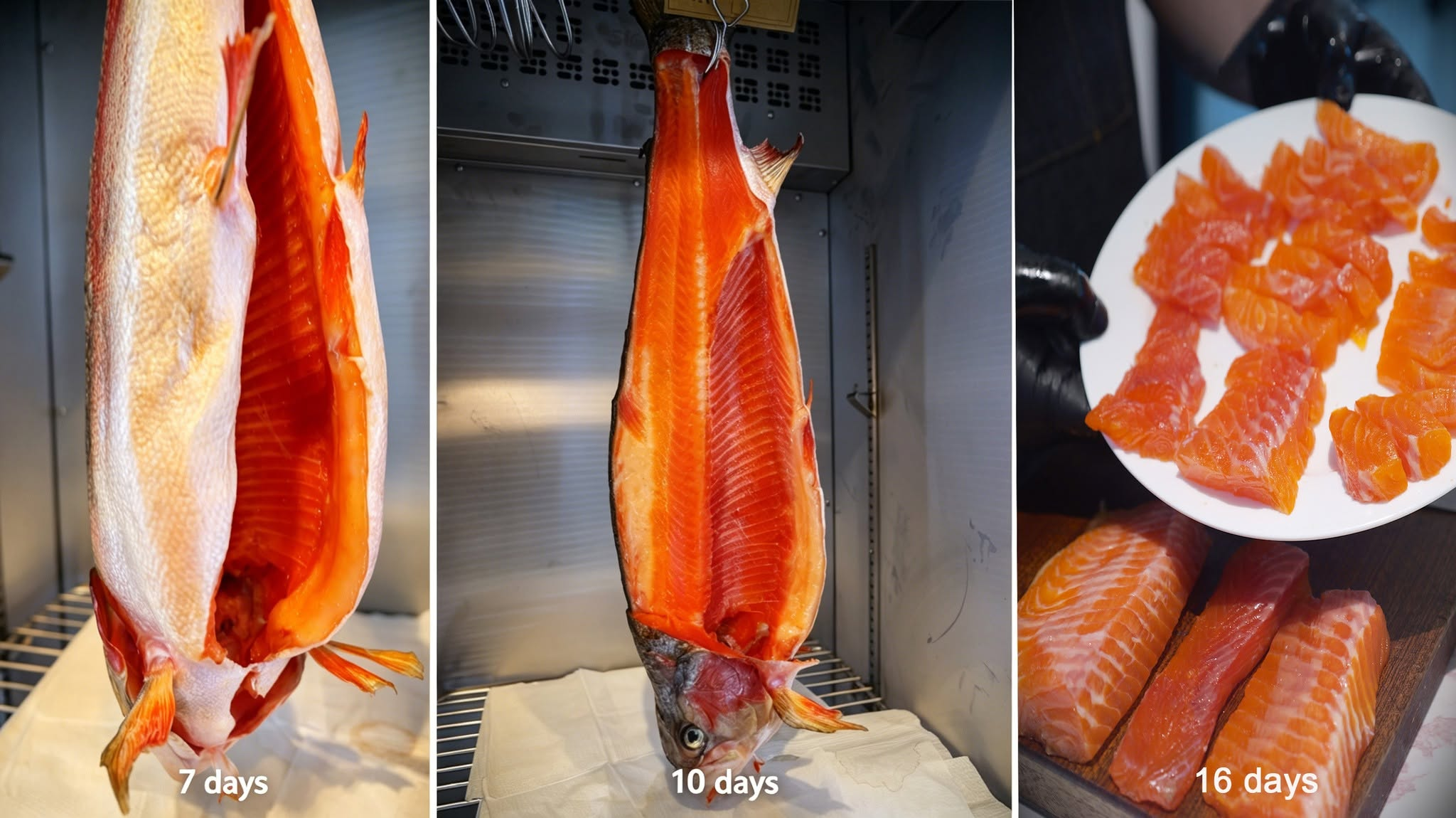
Aging is a masterful interplay of time and nature's own enzymes. It transforms a simple cut of meat from fresh and savory to deeply aromatic and complex. Whether you prefer the bold, concentrated intensity of dry-aged beef or the tender, juice-packed texture of wet-aged meat, both approaches reflect humanity's enduring pursuit of the ultimate flavor experience.


Address:12/F, Guowei E-Commerce Bld Guowei Road Luohu District Shenzhen China.
Tel:+86-755-82383909
Fax:+86-755-82383797
E-Mail:niti@cnsicao.com
whatsapp:+86-18924648232