When people hear the word "aging," the first thing that usually comes to mind is beef — the rich, nutty flavor of a dry-aged steak has long set the benchmark for meat lovers everywhere. But aging is by no means limited to beef.Duck, particularly duck breast and duck legs, is also an exceptional candidate for aging. With proper aging, duck meat becomes more tender, its flavors more concentrated, and its gamey depth fully released — delivering a taste experience that goes far beyond fresh duck. And today, a home aging cabinet makes it easy to achieve this flavor evolution right in your own kitchen.
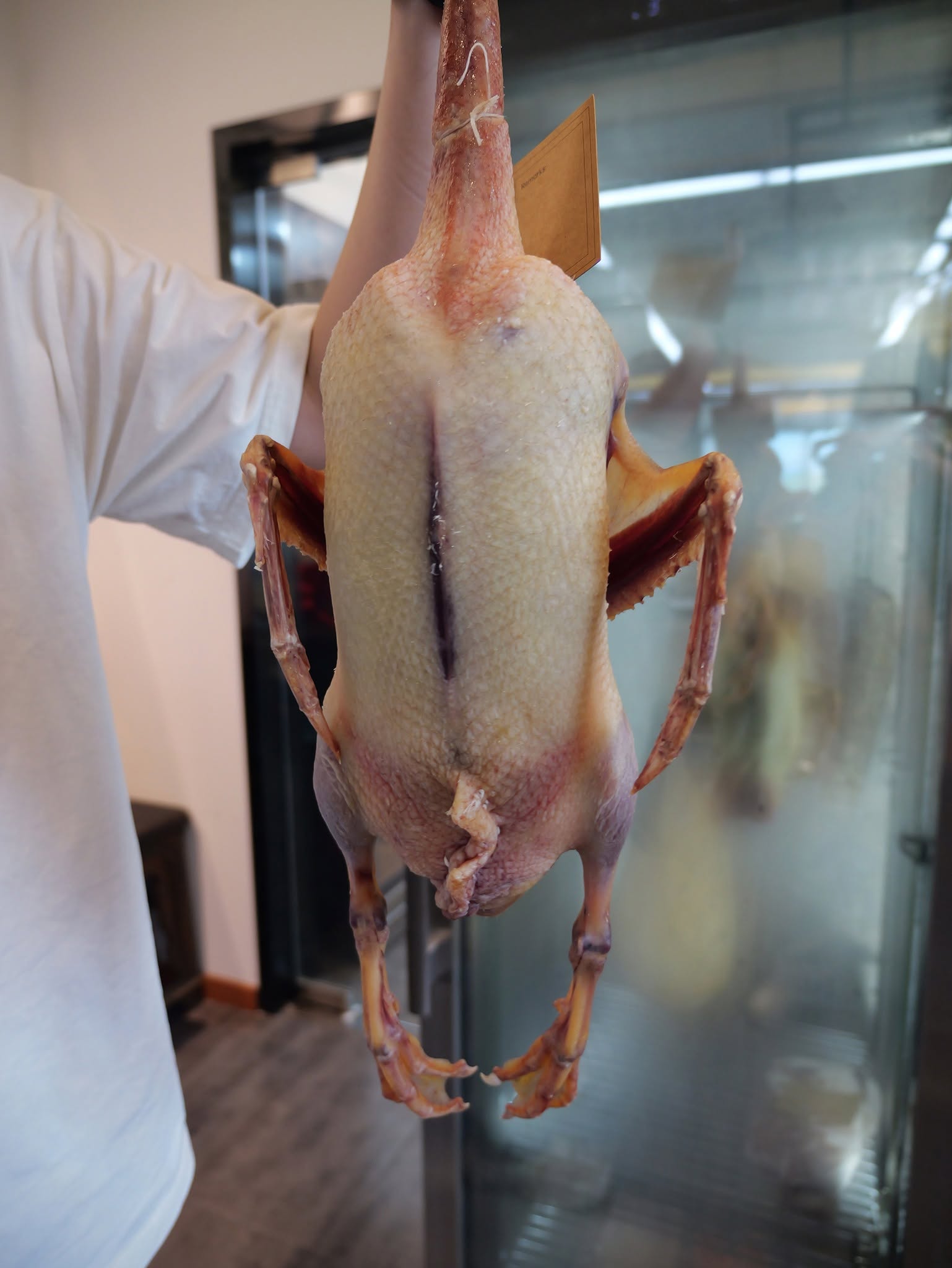
Fresh duck meat is undeniably delicate, but its flavors tend to be subtle, with a hint of wildness. During the aging process, the duck's naturalproteasesandlipasesbegin to work:
Proteasesbreak down proteins in the muscle fibers, making the meat more tender and juicy;
Lipasesbreak down the fat beneath the duck skin, releasing rich fatty acids that transform into deeper, more complex aromas;
Moderate moisture evaporationconcentrates flavor compounds, making every bite more intense and satisfying.
After several days to weeks of aging, the flavor of duck shifts from "fresh and mild" to "rich and profound," while its gamey edge becomes more rounded and elegant.
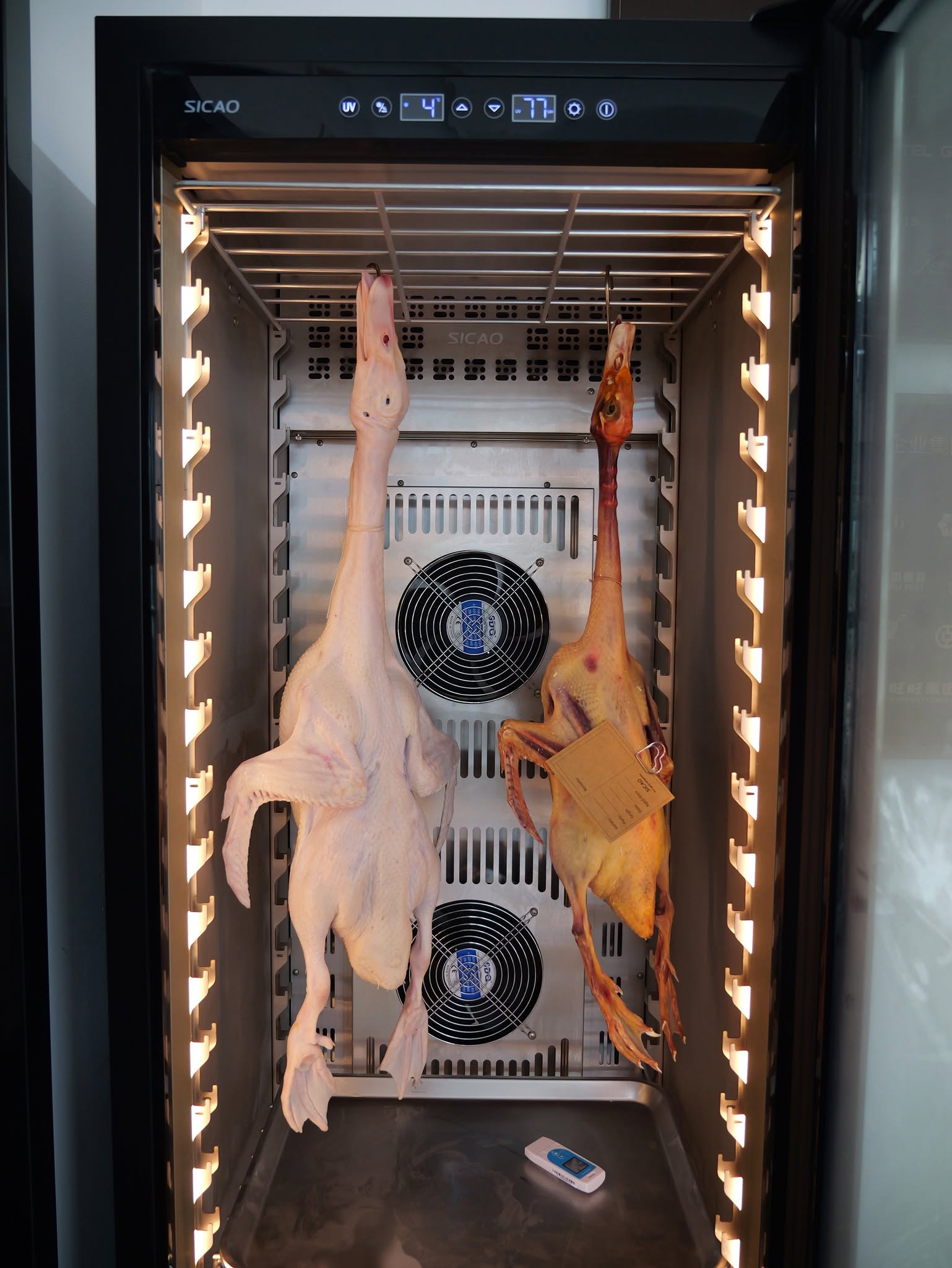
Duck aging demands conditions no less precise than those for beef. The ideal environment includes:
Temperature: 0–4°C, to inhibit harmful bacteria while keeping enzymes active;
Humidity: 70–80%, to prevent excessive surface drying while allowing slow moisture loss;
Airflow: Gentle air circulation to ensure even surface drying and the formation of a protective layer;
Hygiene: A clean environment with sterilization measures to prevent unwanted microbial growth.
These conditions are difficult to achieve simultaneously in a regular refrigerator. Amodern aging cabinetis specifically designed to meet these needs — with precise temperature control, stable humidity adjustment, air circulation filtration, and UV sterilization all built in, making duck aging stable and reliable.
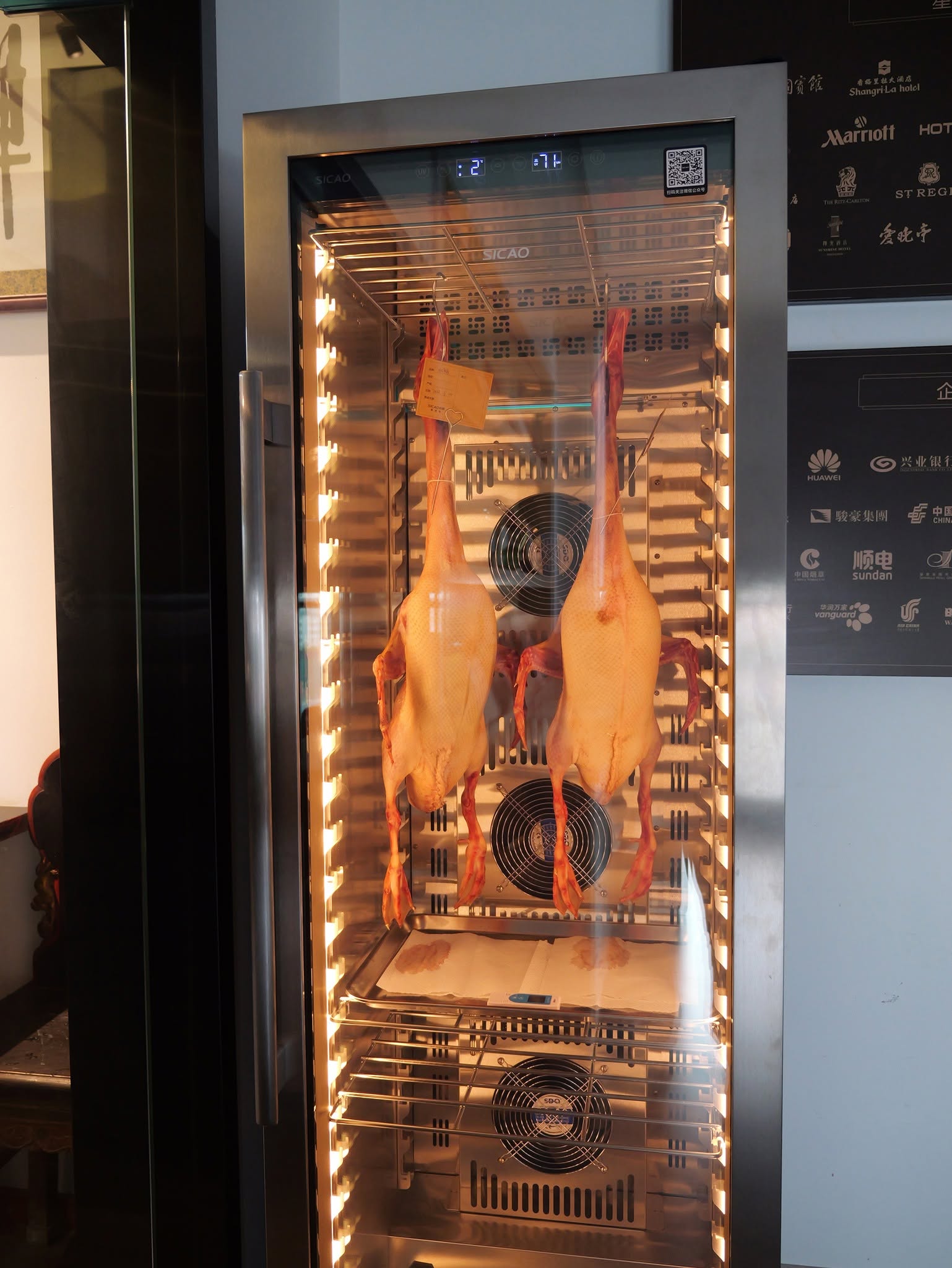
Using an aging cabinet for duck is surprisingly straightforward. Here's a simple step-by-step guide:
Choose fresh duck breast or a whole duck with intact skin and firm flesh. Gently pat the surface dry with kitchen paper — no seasoning is needed at this stage.
Position the duck on the cabinet shelves, ensuring adequate space around each piece for proper air circulation. Avoid stacking.
Temperature: Set to 1–3°C
Humidity: Set to 75–80%
Airflow: Activate the circulation fan for gentle air movement
UV sterilization: Turn on as needed to inhibit surface microbial growth
Short cycle (3–7 days): Ideal for those who prefer tender, juicy texture. The duck's color deepens slightly, and flavors begin to concentrate.
Medium cycle (7–14 days): The skin becomes slightly dehydrated, the meat firms up, and aromas become noticeably richer.
Long cycle (14–21 days): Flavor reaches its peak, with deep poultry notes blending with nutty undertones — perfect for those seeking complex, developed flavors.
Turn the duck every 2–3 days to ensure even aging on all sides.
Once aging is complete, remove the duck and trim off the very thin dried surface layer. Aged duck breast is best pan-seared to achieve crispy skin and tender meat, paired with fruit or red wine sauces. Aged duck legs are ideal for slow roasting or confit preparations, elevating the flavors even further.
After careful aging in the cabinet, duck undergoes remarkable transformations:
Texture: Muscle fibers are gently broken down, resulting in softer, more tender meat that releases juice with every bite;
Aroma: The original gamey notes soften and give way to complex, nutty and mushroom-like layers;
Skin: The duck skin shrinks slightly during aging, making it easier to achieve a crisp, golden finish when cooked.
Whether enjoyed on its own or as the star of a refined dish, aged duck offers a flavor experience that exceeds all expectations.
Aging is not exclusive to beef. Given the right temperature and humidity, duck can undergo the same remarkable transformation from "fresh" to "profoundly flavorful." A modern aging cabinet is the key to unlocking this process — bringing what once required professional equipment within easy reach.
The next time you hold a fresh duck breast, give it a little time — let it rest in an aging cabinet and slowly transform. When it's carved at the table, you'll know that the wait was always worth it.


Address:12/F, Guowei E-Commerce Bld Guowei Road Luohu District Shenzhen China.
Tel:+86-755-82383909
Fax:+86-755-82383797
E-Mail:niti@cnsicao.com
whatsapp:+86-18924648232